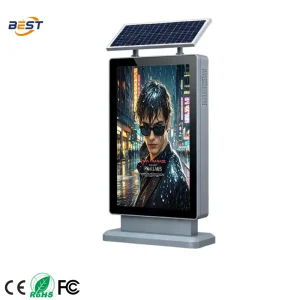
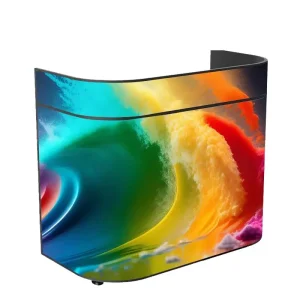
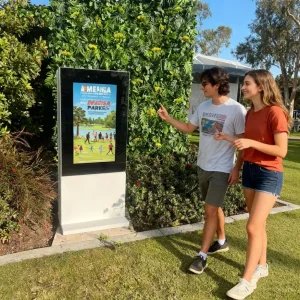
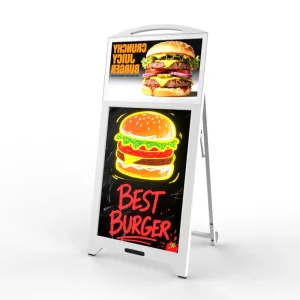
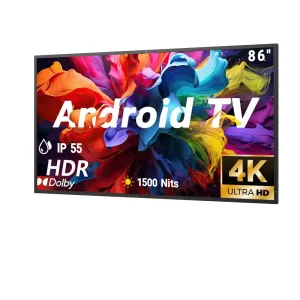
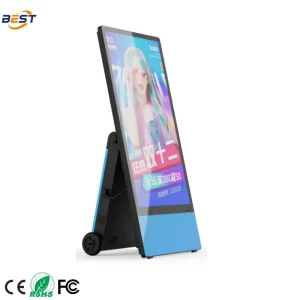
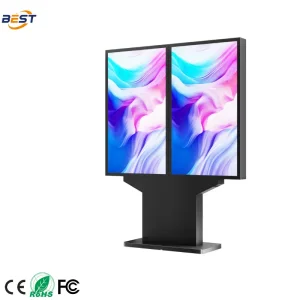
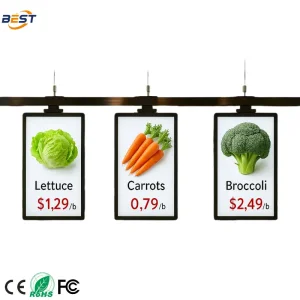
In the contemporary landscape of luxury hospitality and residential design, the “Poolside TV” has transcended from a luxury amenity to a standard requirement. However, these environments are notoriously hostile to electronics. As a specialized ODM Poolside TV Manufacturer, we understand that standard consumer-grade panels fail within weeks in high-humidity, high-heat, and high-UV environments. True outdoor TV production requires a fusion of industrial design, advanced thermal management, and precision optical bonding.
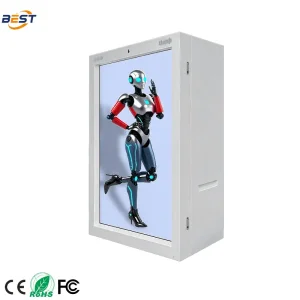
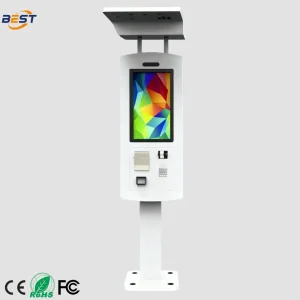
The shift toward professional ODM (Original Design Manufacturing) partnerships allows global brands and commercial integrators to bypass the limitations of white-label products. By collaborating directly with a factory, you gain access to customized IP66-rated enclosures, active temperature regulation systems, and sunlight-readable panels (typically 2500+ nits) that remain vibrant under direct solar exposure.
China stands as the global hub for display innovation. Our facility, located in the heart of this manufacturing ecosystem, leverages the "Silicon Valley of Hardware" to offer unrivaled efficiency. Our internal supply chain integration allows us to achieve what others cannot: rapid prototyping.
We control the process from sheet metal fabrication to circuit board aging. This ensures no quality gaps between the chassis and the electronic components.
Need a custom enclosure or a specific interface for your hospitality management system? Our team moves from CAD drawings to functional samples in as little as 7-10 days.
Every product undergoes salt spray, thermal shock, and vibration testing—essential for poolside environments where salt air and high temperatures are constant stressors.
Designing a TV for the pool area isn't just about brightness; it's about longevity. Our engineering team focuses on three core pillars:
Shenzhen Best Special Display Technology Co.,Ltd is a professional manufacturer with more than 10 years of industry experience. We integrate design, R&D, production, and sales to deliver elite-level display hardware. From 10.1 to 115 inches, our customization capability is your competitive advantage. Whether it’s an OEM request for a boutique hotel chain or an ODM requirement for an outdoor entertainment complex, we provide the industrial-grade backbone necessary for 24/7 operation.
A: It comes down to nits and heat. A standard TV operates at 300-400 nits. Our outdoor displays start at 2000+ nits to fight glare. Furthermore, we use specialized heat-ventilation systems that standard TVs lack, preventing the screen from overheating in direct sun.
A: Yes. We have an in-house mechanical engineering team. We can modify the chassis design, color, branding, and even the structural mounting system to fit your specific architectural requirements.
A: We operate a 12-step full-inspection process. Every unit undergoes a 72-hour aging test. Our defect rate is maintained below 0.05%, which is critical for large-scale deployments where maintenance access is difficult.
 Best Display