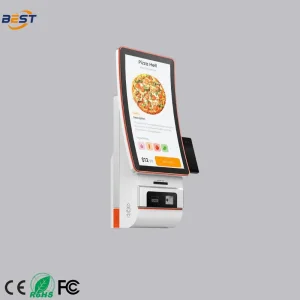
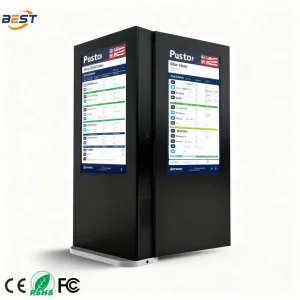
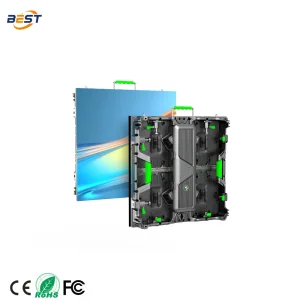
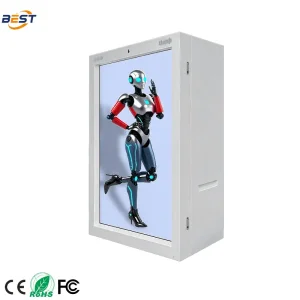
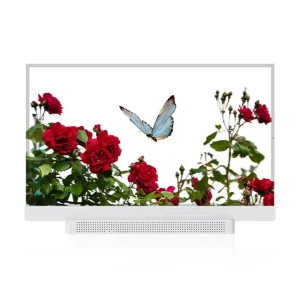
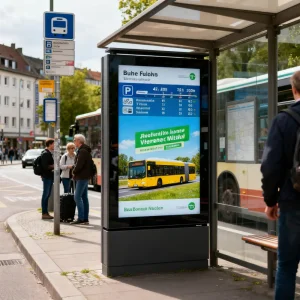
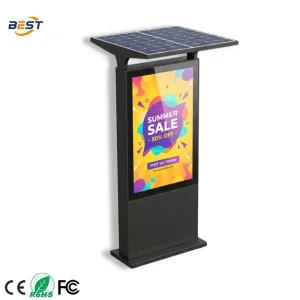
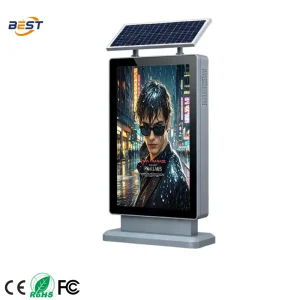
In the rapidly evolving landscape of visual merchandising and interactive digital signage, the Digital Transparent Display Cabinet has emerged as the definitive solution for luxury retail, museum curation, and high-tech exhibition spaces. As users demand more immersive experiences, traditional opaque screens are being replaced by transparent OLED and LCD technologies that blend digital content with physical products.
Information Gain: Unlike standard signage, transparent cabinets solve the "product visibility vs. information density" paradox. By overlaying digital information directly onto physical objects, businesses can narrate brand stories in real-time, increasing engagement rates by up to 40% compared to static displays. This industry is transitioning from niche innovation to a mainstream procurement requirement for global enterprises.
Modern transparent cabinets rely on two primary technologies: Transparent LCD (T-LCD) and Transparent OLED (T-OLED). T-LCD displays require backlighting, which is often integrated into the cabinet chassis, making it a robust solution for daytime retail environments. T-OLED, on the other hand, is self-emissive, offering superior contrast and transparency, ideal for high-end jewelry and museum artifacts.
The global dominance of Chinese manufacturing in the digital signage sector is not by accident but by systematic mastery of the supply chain. Shenzhen-based manufacturers have evolved from simple assembly shops into high-end R&D centers.
We operate as a source factory, integrating design, R&D, production, and sales. This vertical integration provides several E-E-A-T advantages for our B2B partners:
Transparent displays are no longer just "screens"; they are strategic marketing tools. As we analyze global procurement data, three major trends emerge:
For international buyers, the challenge is not just sourcing the product but ensuring local connectivity and firmware stability. Our technical advisors provide 24/7 support, helping clients bridge the gap between hardware installation and content management system (CMS) integration.
LCD transparent displays require an external light source or backlighting cabinet to be visible, making them ideal for high-ambient-light environments. OLED displays are self-emissive, providing higher transparency and better color reproduction without requiring a thick cabinet structure.
Yes. As a direct factory, we specialize in customizing not just the display panel, but the entire physical cabinet structure, including thermal management systems, security locks, and aesthetic finishes to match your brand identity.
Every unit undergoes 12 full-inspection processes, including a 72-hour burn-in test. We maintain a defect rate below 0.05%, which is among the lowest in the industry due to our automated testing lab.
 Best Display