 Best Display
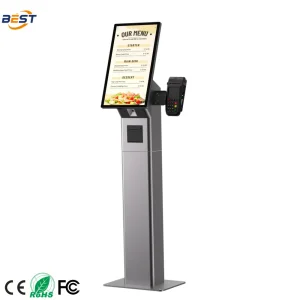
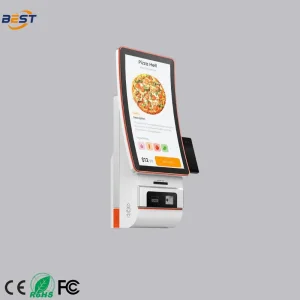
The Evolution of Desktop Ordering Machines: A Strategic Overview
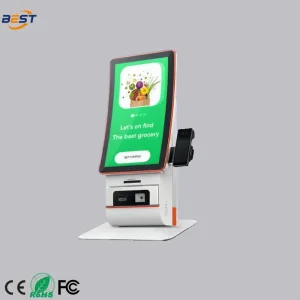
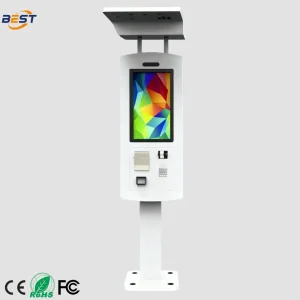
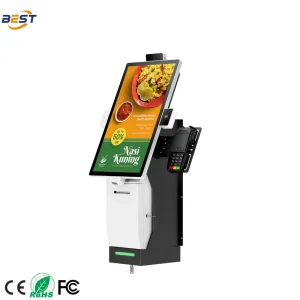
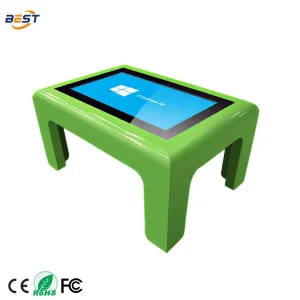
In the rapidly digitizing landscape of modern retail and food & beverage, the Desktop Ordering Machine has transitioned from a luxury item to an operational necessity. As a senior SEO and growth expert in the display hardware industry, I analyze this shift through the lens of user intent: businesses are no longer just looking for "screens"; they are seeking complete interactive ecosystems that reduce labor costs, increase upsell opportunities, and gather critical consumer data.
China Manufacturing: The Global Hub for ODM Excellence
Why do global enterprises consistently source their hardware from Chinese factories? The answer lies in Vertical Integration. At our Shenzhen facility, we manage the entire lifecycle:
- Sheet Metal Precision: Our in-house workshop ensures structural integrity and aesthetic customization.
- Testing Labs: From salt spray tests for outdoor resilience to 72-hour aging tests for electronics, we ensure every unit meets the "Zero-Defect" goal.
- Rapid Prototyping: We reduce the R&D cycle, moving from 3D conceptual design to physical prototype in as little as 7 days.
10+
Years Experience
0.05%
Defect Rate
72h
Burn-in Test
Localization, Compliance, and Technical Adaptation
A major challenge in global B2B procurement is the mismatch between hardware and local regulatory environments. As an ODM expert, I emphasize that our Desktop Ordering Machines are built with global readiness in mind:
- Compliance Standards: Every unit is CE, FCC, and RoHS certified, ensuring seamless entry into the European and North American markets.
- Software Middleware: We don't just sell metal; we provide SDKs/APIs that facilitate integration with local payment gateways (Stripe, PayPal, Square) and regional POS software (Toast, Micros).
- Data Sovereignty: Our systems support local server deployment, crucial for GDPR compliance in Europe.
Future Trends: AI & Multi-Modal Interfaces
The industry is moving toward "Conversational Commerce." The next generation of ordering machines will feature integrated AI vision for facial recognition (for loyalty programs) and voice-activated interfaces. Manufacturers who fail to adopt an ODM model—offering the flexibility to integrate these AI modules—will be left behind. Our current R&D focus is on modular hardware that allows clients to "snap-in" AI camera modules or high-precision NFC readers without needing to re-engineer the entire chassis.