Top Retail Digital Signage Trends to Watch in 2026?

Time:2026-06-19 Author:Sophia
0%

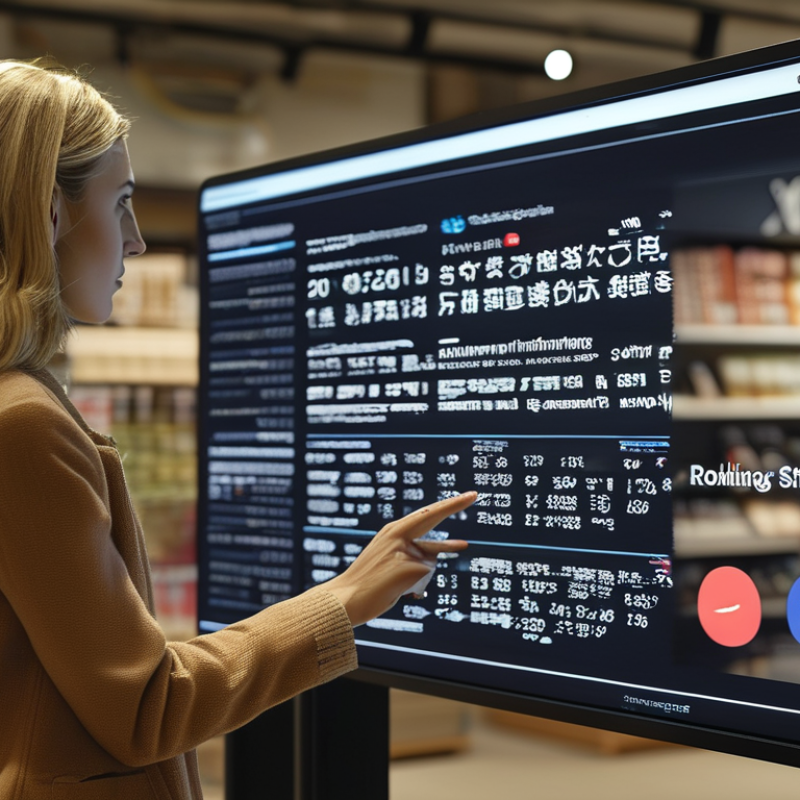
As the retail landscape evolves, the role of Retail Digital Signage becomes increasingly vital. Experts predict remarkable shifts in how brands engage consumers. John Smith, a leading authority in retail technology, asserts, "Digital signage will redefine the shopping experience in ways we can scarcely imagine." This statement highlights the potential for Retail Digital Signage to transform consumer interactions.

In 2026, we expect to witness innovations that leverage AI and data analytics, enhancing personalization. Retailers will use dynamic visuals to captivate shoppers, tailoring messages to individual preferences. These advancements make Retail Digital Signage not just a tool, but a critical touchpoint in the customer journey. Yet, the rapid pace of change raises questions about sustainability and consumer privacy.

As we explore these trends, we must consider the balance between creativity and responsibility. Retailers could risk overwhelming customers with excessive digital stimuli. Navigating these challenges is crucial for effective implementation of Retail Digital Signage strategies. The next few years will be pivotal in shaping the future of retail engagement.
Top Retail Digital Signage Trends to Watch in 2026?

Emergence of AI-Driven Digital Signage Solutions in Retail

The retail landscape is rapidly evolving, especially with the rise of AI-driven digital signage solutions. Retailers leverage AI technology to create personalized experiences for customers. These systems analyze shopper behavior and preferences in real time. The result? Highly targeted advertisements and promotions that resonate with individual shoppers.

Tips for effective implementation: Ensure that your AI system integrates seamlessly with existing signage. Data privacy is crucial. Customers should feel secure as they engage with your digital content. Regularly update your content to keep it fresh and engaging. Outdated messages can detract from the customer experience.

As AI continues to advance, new trends will emerge. Expect to see dynamic content changes based on current events or inventory levels. However, AI isn't flawless. It requires constant monitoring for accuracy and relevance. Missteps can lead to confusion and disengagement, so find a balance between automation and human oversight.

Top Retail Digital Signage Trends to Watch in 2026

Trend Description Expected Impact Implementation Timeline
AI Content Personalization Utilizing AI to tailor digital signage content based on customer behavior and preferences. Increased customer engagement and higher conversion rates. By 2026
Interactive Displays Digital signage that allows customers to interact directly with the content. Enhanced customer experience and extended dwell time. Ongoing development
Sustainability in Signage Focus on eco-friendly materials and energy-efficient technologies. Reduction in operational costs and improved brand image. By 2026
Data-Driven Decision Making Leveraging analytics from digital signage to drive marketing strategies. Optimized marketing spend and improved targeting. 2025 and beyond
Augmented Reality Integration Combining AR technology with digital signage for immersive experiences. Increased brand interaction and enhanced customer engagement. Phased rollout expected by 2026

Rise of Interactive and Immersive Experiences for Consumers

The retail landscape is evolving, with a strong focus on interactive and immersive experiences for consumers. Digital signage is at the forefront of this transformation. Stores are no longer just places to buy products; they are becoming engaging environments. Shoppers want experiences that resonate on a personal level. Interactive displays draw them in. Touch screens, virtual reality, and augmented reality are making shopping more exciting.

Consider a store where customers can use virtual reality to see how a piece of furniture looks in their home. This tech-driven approach helps customers visualize products in real life and simplifies decision-making. Immersive experiences can elevate customer engagement, but not every attempt succeeds. Some interactive elements may overwhelm or confuse shoppers. It's essential to strike a balance that enhances enjoyment without causing frustration.

Brands need to listen to customer feedback to improve these experiences. It’s vital to know what works and what doesn’t. Data from customer interactions can reveal key insights. Not every immersive experience will resonate with every consumer. Retailers should be prepared to iterate and adapt continuously to meet evolving demands. Creating a truly interactive environment is a journey, not a destination.

Integration of Augmented Reality in Retail Signage

The integration of augmented reality (AR) in retail signage is set to revolutionize the shopping experience by 2026. A recent report by MarketsandMarkets predicts that the AR market in retail will grow from $1.65 billion in 2022 to $7.9 billion by 2026, demonstrating a compound annual growth rate (CAGR) of 38.3%. Retailers are recognizing the potential of AR to create more engaging and interactive displays that captivate consumers.

AR enhances traditional signage by overlaying digital information onto physical products. Shoppers can point their devices at a sign and see additional details appear. For instance, they might view product reviews, tutorials, or even virtual try-ons. According to a study by Deloitte, 83% of millennials prefer to shop in stores that use AR technology. This indicates a significant shift in consumer expectations, compelling retailers to adopt AR solutions to stay relevant.

However, integrating AR into retail signage isn't without challenges. Many retailers lack the technical know-how to implement such technology effectively. There are concerns about consumer privacy and data security as well. A report from PwC highlights that while 63% of consumers express interest in AR, only 19% believe brands handle their data responsibly. This disconnect underscores the need for retailers to prioritize transparency and accountability when adopting AR solutions.

Data Analytics and Personalization in Digital Signage Strategies

Data analytics is reshaping digital signage strategies. Retailers now use data to understand customer behavior better. This data can come from various sources, like in-store sensors or online interactions. By analyzing this information, retailers tailor content to specific audiences. For instance, a customer who frequently buys outdoor gear might see promotions for hiking equipment. This personalization makes advertising more effective.

However, the challenge lies in data interpretation. Not all retailers have the expertise to analyze complex data sets. Misinterpretation can lead to irrelevant content being displayed. This could frustrate customers or even drive them away. There’s a balancing act: how to use data without overwhelming customers.

Moreover, personalization should not compromise privacy. Consumers are wary of how their data is used. Retailers must handle this carefully to maintain trust. Transparency is essential. Retailers should inform customers about what data they collect and how it’s used. This builds a positive relationship between brand and consumer, enhancing the overall shopping experience.

Sustainability Trends in Digital Signage Technologies and Materials

In 2026, sustainability will play a pivotal role in digital signage technologies. The demand for eco-friendly materials is rising. Retailers want solutions that align with their sustainability goals. An increasing number of companies are exploring biodegradable substrates. These options reduce plastic waste and offer a greener alternative for displays.

Innovative technologies are also emerging. Energy-efficient displays use less power. This not only cuts costs but also minimizes environmental impact. However, the transition to these sustainable technologies poses challenges. Not every retailer has the budget or resources to implement these changes. The fear of higher upfront costs can deter investment.

Sourcing materials responsibly is another crucial aspect. Some manufacturers are working towards transparency in their supply chains. Identifying the true sustainability of products can be difficult. Consumers demand accountability. Retailers need to navigate this complex landscape carefully. Balancing innovation with responsible practices is an ongoing journey for many businesses.

Top Retail Digital Signage Trends to Watch in 2026: Sustainability in Technologies and Materials

This chart illustrates the projected adoption rates of various sustainability practices in digital signage technologies and materials by 2026. The data focuses on key areas such as eco-friendly materials, energy-efficient technologies, and recycling initiatives.

FAQS

: What is augmented reality (

R) in retail signage?

How is the AR market expected to grow?

The AR market in retail may rise from $1.65 billion in 2022 to $7.9 billion by 2026.

Why do shoppers prefer stores using AR technology?

A study reveals that 83% of millennials favor shopping in stores that utilize AR for engagement.

What challenges do retailers face in integrating AR?

Many lack technical skills and face concerns regarding consumer privacy and data security.

How do retailers personalize digital signage strategies?

Retailers analyze customer data from various sources to provide tailored content and promotions.

What issues arise from data interpretation in retail?

Complex data can be misinterpreted, leading to irrelevant content and potential customer frustration.

How can retailers maintain consumer trust with data usage?

They must be transparent about data collection and usage to foster a positive relationship with customers.

What happens when personalization is misapplied in marketing?

Irrelevant promotions may overwhelm customers, damaging their shopping experience and perceptions of the brand.

Why is transparency important in retail data practices?

It builds trust and enhances customer relationships, critical for successful integration of technology.

Is the integration of AR in retail signage perfect?

No, challenges exist, and continuous reflection is needed to improve technology implementation and customer engagement.

Conclusion

The landscape of Retail Digital Signage is poised for significant evolution by 2026, driven by several key trends. The emergence of AI-driven solutions is set to revolutionize the way retailers engage with customers, allowing for smarter, more adaptive signage that responds to consumer behavior. Additionally, the rise of interactive and immersive experiences will enhance customer involvement, making shopping not just a task but an engaging adventure.

Integration of augmented reality will further transform Retail Digital Signage, enabling consumers to interact with products in innovative ways. Coupled with advanced data analytics, retailers will be able to personalize content more effectively, tailoring messages to individual preferences and shopping habits. Sustainability is also becoming a vital consideration, as brands seek eco-friendly technologies and materials in their signage solutions. Collectively, these trends indicate a dynamic future for Retail Digital Signage, emphasizing enhanced consumer experiences and responsible practices.


Sophia

Sophia

Sophia is a dedicated marketing professional with an exceptional depth of knowledge about her company's products and services. With a keen understanding of market trends and customer needs, she crafts insightful blog posts that not only inform but also engage readers, enriching the company’s online......