Choosing the right 21.5 Inch Digital Signage can significantly impact your business's visibility. This decision requires careful consideration of several key factors. Not all digital signage is created equal. A great display must offer a bright, vivid picture, along with reliable performance.
When selecting 21.5 Inch Digital Signage, think about your unique needs. Will it be used for advertising or information? Is it for indoor or outdoor settings? The environment greatly influences your choice. The design should also integrate seamlessly into your space.
Keep in mind that cost versus quality is a vital balance. You may find cheaper options attractive but question their durability and lifespan. In contrast, higher-quality signage may come with a higher upfront cost but could save money long-term. Reflect on these aspects as you navigate the options available. A thoughtful choice now can enhance your brand's message and reach.
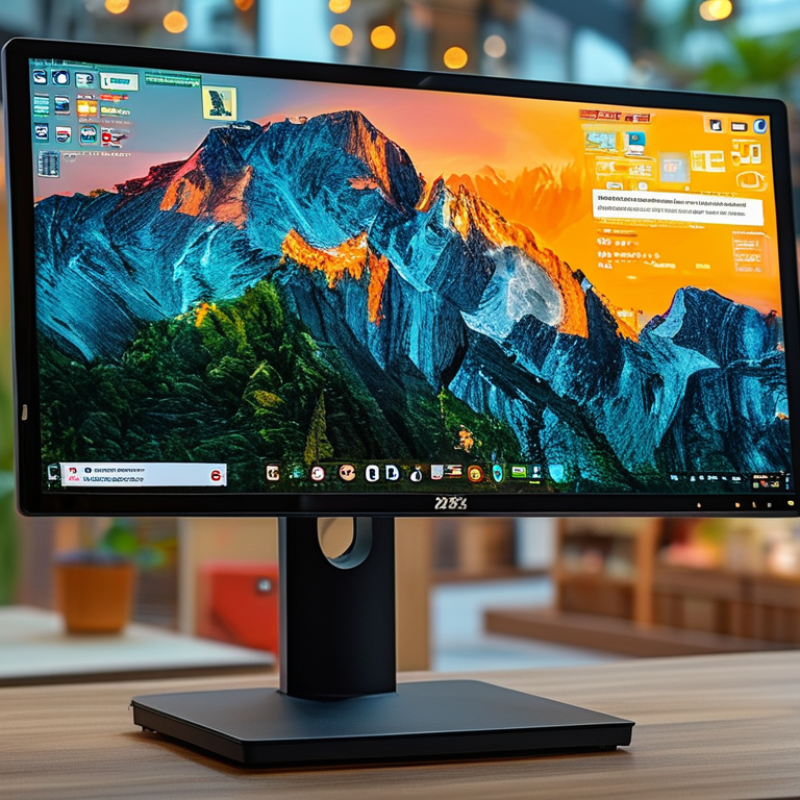
Digital signage has transformed the way businesses communicate. It offers dynamic visuals that engage customers effectively. This technology can be found in various places like retail stores, airports, and restaurants. The bright displays grab attention, making messages clearer and more accessible. Understanding how to use digital signage effectively is crucial.
The importance of digital signage extends beyond mere advertising. It enhances customer experience by providing real-time information. For example, a digital menu board can display current specials. It can also be updated quickly to reflect changes in stock. However, creating content that resonates with the audience can be challenging. It requires thoughtful design and understanding of the target demographic.
Deciding to implement digital signage involves personal reflection. Consider your goals and the needs of your audience. Not all digital displays fit every space or objective. Take time to research options and explore feedback from users. This thoughtful approach can help avoid common pitfalls, ensuring the signage meets its purpose effectively.
When selecting a 21.5-inch digital signage display, several key features play a crucial role. Start with resolution. A higher resolution provides clearer images. Look for Full HD options. This ensures that text and graphics are sharp. Brightness should also be considered. Displays with 250 to 400 nits are suitable for well-lit environments. Ensure that the brightness level matches your usage scenario.
Another important aspect is connectivity. Multiple ports such as HDMI and USB are essential for versatility. Check if the display supports wireless connectivity as well. This can simplify the setup process significantly. Consider the viewing angle too. A wider viewing angle allows more people to see the content clearly from various positions.
Durability is a feature not to overlook. Look for displays designed for commercial use. They often have robust builds and can withstand constant operation. While many options boast advanced features, not all may function optimally in real-world settings. Prioritize testing displays in your specific environment. This helps identify any shortcomings in performance or visibility. Remember, the right choice requires careful consideration of both technical specifications and practical applications.
When choosing a 21.5-inch digital signage display, the technology you select is crucial. Two popular options are LED and LCD. LED displays are known for their vibrant colors and higher brightness levels. This makes them ideal for environments with plenty of ambient light. However, they can be more expensive than LCDs.
On the other hand, LCD screens offer good image quality and are often more cost-effective. They can provide excellent viewing angles. Yet, they might struggle with brightness in well-lit spaces. Both technologies have their pros and cons. Evaluating your specific needs is essential before making a decision.
**Tips:** Consider the environment. If you’re placing the display outdoors, LED is usually the better option. For indoor use, an LCD might suffice. Always think about the content you’ll display. Certain visuals may perform better on one technology compared to the other. Also, be mindful of energy consumption. LED displays tend to consume less power over time, which could lead to savings.
When diving into the world of digital signage, especially a 21.5-inch model, software compatibility is crucial. A recent study shows that around 70% of businesses report challenges in integrating software with their signage hardware. This highlights the need for careful evaluation. Aim for a system that supports diverse content formats. Supporting formats enhance flexibility.
Content management tools are essential for efficient operation. According to industry reports, businesses utilizing advanced content management solutions see a 20% increase in engagement. User-friendly dashboards simplify the scheduling and updating processes, allowing for real-time changes. However, not all platforms are intuitive. Frequent updates can disrupt workflows if not planned carefully.
Evaluating these systems requires asking the right questions. Is the software scalable? Does it support cloud integration? These factors will greatly impact long-term usability. Some users have found themselves locked into limited ecosystems, which may not adapt as needs evolve.
Think critically about your choices. Empower your digital signage with the right tools, but remain vigilant.
When choosing a 21.5-inch digital signage solution, understanding your budget and potential ROI is crucial. A well-defined budget helps narrow down options. Consider initial costs, maintenance fees, and potential upgrades. All these factors add up. A rigid budget might limit your choices. Without flexibility, you may miss out on features that could enhance your business.
Evaluating ROI can be complex yet essential. Different metrics offer insights into effectiveness. Look at increased customer engagement or sales growth as potential returns. Tracking how digital signage impacts consumer behavior can provide valuable data. Still, achieving measurable results may take time. Patience is required to see the trend improve.
Assessing both budget constraints and anticipated ROI fosters informed decisions. Reflect on the long-term benefits of effective signage. Understanding these factors may lead to mistakes. Not all investments yield immediate profits. However, weighing these aspects can ultimately guide you toward a more successful choice.
| Feature | Option A | Option B | Option C |
|---|---|---|---|
| Screen Resolution | 1920 x 1080 | 1366 x 768 | 1920 x 1080 |
| Brightness (cd/m²) | 300 | 250 | 350 |
| Connectivity Options | HDMI, USB | USB | HDMI, VGA, USB |
| Contrast Ratio | 1000:1 | 600:1 | 1200:1 |
| Average Price ($) | 300 | 200 | 350 |
| Expected Lifespan (Years) | 5 | 4 | 6 |
| Return on Investment (ROI %) | 25% | 15% | 30% |
: LED displays offer vibrant colors and higher brightness. LCDs are cost-effective and provide good image quality.
LED displays are usually the better option for outdoor environments. They handle ambient light effectively.
Indoor settings may benefit from an LCD's viewing angles, while bright areas typically require LED's brightness.
Many businesses face integration issues. Compatibility ensures that your signage runs smoothly with various content formats.
They enhance efficiency. Advanced tools can lead to a noticeable increase in audience engagement.
Consider initial costs, maintenance, and potential upgrades. A rigid budget could limit your preferred features.
Look at customer engagement and sales growth. Tracking these metrics can reveal the signage's effectiveness.
Not all platforms are intuitive. Frequent updates can disrupt workflows if not planned properly.
Focusing solely on short-term profits can lead to misguided decisions. Long-term benefits should be weighed.
Ask if the software is scalable and supports cloud integration. These factors affect future usability and flexibility.
When selecting the best 21.5 Inch Digital Signage, it is essential to understand the significance of digital displays in contemporary communication strategies. Key features such as resolution, brightness, and connectivity options should be thoroughly evaluated to ensure that the signage meets specific business needs. A comparison of display technologies, particularly LED versus LCD, is crucial as each offers distinct advantages in terms of image quality and energy efficiency.
Additionally, assessing software compatibility and content management capabilities is vital for maximizing the effectiveness of your digital signage. Businesses must also consider their budget and analyze the potential return on investment (ROI) to ensure that the purchase aligns with their financial goals. By carefully considering these factors, organizations can make informed decisions that enhance their advertising and communication efforts with 21.5 Inch Digital Signage.

Best Display