In the evolving landscape of digital advertising, Battery Powered Digital Signage has emerged as a game-changer. As John Smith, a leading expert in digital marketing technology, once stated, “The future of advertising lies in mobility and accessibility.” This sentiment highlights the importance of portable solutions in reaching diverse audiences.
Choosing the right Battery Powered Digital Signage solution involves careful consideration. Users must assess battery life, display resolution, and integration capabilities. Each factor plays a crucial role in effectiveness and user experience. Flaws in selecting an inappropriate system can lead to operational inefficiencies.
Moreover, the market is flooded with options, but not all meet high standards. It's tempting to opt for cheaper models, yet this may compromise quality. Striking the right balance can be challenging. A reliable solution should not just meet immediate needs; it should pave the way for future growth.
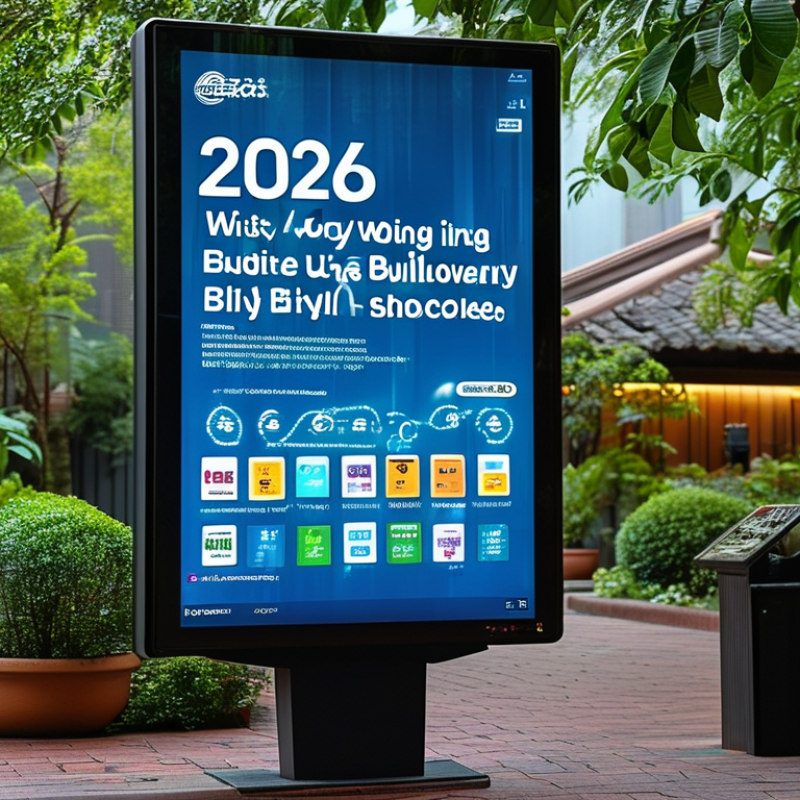
Battery powered digital signage offers unique benefits for various applications. It provides flexibility, enabling placement in areas without power sources. This is vital for outdoor events, trade shows, and retail displays. The portability of these screens allows for quick setup and easy transport, enhancing marketing strategies.
Another advantage is their cost-effectiveness. Without the need for extensive wiring or installation costs, businesses can save money upfront. However, battery life can vary. It's crucial to select models with adequate duration to suit your needs. Frequent charging or replacement can become inconvenient, requiring careful planning.
The environmental impact is also worth considering. Many battery-powered options are designed to be energy-efficient. They reduce energy consumption, contributing to sustainability efforts. Yet, potential issues with battery disposal should not be overlooked. Proper recycling protocols must be in place to mitigate waste. Understanding these aspects is essential for making informed decisions.
When selecting battery-powered digital signage solutions, several key features demand careful consideration. A central aspect is battery life. Look for models that offer extended usage without frequent recharging. Ideally, a unit should last at least 10 hours on a single charge for optimal use in public settings. Assessing the display quality is crucial as well. High resolution enhances visibility, especially in outdoor environments where sunlight can obscure images.
Another vital feature is the weight and portability of the signage. Lightweight options facilitate easy relocation for different events or promotions. Additionally, verify connectivity options. Solutions should support multiple media formats and network connections, ensuring flexibility in content updates. User-friendly interfaces enable quick content scheduling and adjustments, which is essential for busy environments.
Finally, consider the environmental durability of your choice. Weather-resistant designs enhance the longevity of outdoor displays. Yet, not all models are equal in this regard. Reflect on how often you might need repairs due to exposure. Always think ahead to ensure your investments work effectively in various conditions.
Battery-powered digital signage offers flexibility in diverse environments. When evaluating these solutions, runtime and charging options play crucial roles. Industry reports indicate that a well-optimized digital signage display can run between 8 to 12 hours on a single charge, depending on usage. Factors like screen brightness and content type significantly impact this runtime.
Charging options vary widely. Some displays focus on fast charging technology, reducing downtime, while others support solar charging, making them ideal for outdoor setups. A recent study found that integrating solar panels can increase runtime by up to 50% for select installations.
Tips: Consider whether maintaining a continuous power source is feasible for your setup. Analyze whether short-term events or long-term installations best suit your needs. These decisions can drastically affect the overall efficiency of your signage project. Always measure the environmental impact and potential energy savings when choosing your solution.
| Solution Type | Battery Runtime (Hours) | Charging Options | Display Size (inches) | Weight (lbs) |
|---|---|---|---|---|
| Outdoor LED | 12 | Solar Charging, AC Adapter | 55 | 45 |
| Indoor LCD | 10 | Power Bank, AC Adapter | 40 | 30 |
| Portable Kiosk | 8 | Quick Charge Dock, AC Adapter | 32 | 25 |
| Interactive Touchscreen | 6 | Battery Swap, AC Adapter | 27 | 20 |
When considering battery-powered digital signage solutions for outdoor use, durability and weather resistance are key factors. Harsh environmental conditions can significantly impact the performance of these systems. For example, exposure to rain, snow, or extreme heat can lead to malfunctions. Selecting signage that has high IP ratings can provide assurance against dust and water ingress. Look for models that have undergone rigorous testing against environmental elements.
Moreover, materials used in the construction of these devices matter greatly. Corrosion-resistant metals and UV-resistant plastics can extend the lifespan of digital signage. You should inspect the product specifications for these features. It is essential to think about battery life as well. A device that requires frequent recharging may not be practical in challenging weather conditions. The balance between power consumption and display brightness plays a significant role.
In some cases, the best technology may fall short under specific circumstances. For instance, direct sunlight can wash out screen visibility. Users might need to adjust their expectations based on their unique location and needs. Conducting field tests can provide real-world insights. Ultimately, the ideal solution will blend functionality with reliability while considering external factors.
When considering battery-powered digital signage solutions, analyzing costs and return on investment (ROI) is crucial. Research by industry analysts highlights that initial investment costs for battery solutions can be higher than traditional options. However, the flexibility of not needing cords can lead to reduced installation costs. An earlier report stated that companies spend up to 25% less on installation when avoiding hardwired solutions.
Moreover, battery-powered signage is not just about upfront costs. A study conducted in 2023 showed that businesses typically achieve a 20% higher engagement rate with battery-powered displays. This increased engagement can lead to significant ROI over time. Companies reported payback periods ranging from six months to two years, depending on usage frequency and location.
However, challenges persist. Battery life can vary significantly based on usage. The reliability of battery technology is a key concern. Some users have faced unexpected downtime due to battery failures, prompting them to reconsider their operational strategies. Ongoing maintenance and battery replacement are also potential hidden costs. When evaluating a purchase, businesses must weigh these factors against potential benefits.
: Focus on battery life, display quality, weight, connectivity, interface usability, and environmental durability.
Ideally, it should last at least 10 hours for effective use in public places.
High resolution enhances visibility, especially outdoors where sunlight can obscure images.
Lightweight models are easier to relocate for different events or promotions.
Look for support for multiple media formats and network connections for content updates.
A simple interface allows quick content scheduling and adjustments in busy environments.
Weather-resistant designs are essential, but some models may require more maintenance.
Initial costs may be higher, but installation savings can offset this expense.
Companies report a 20% higher engagement rate, leading to potential payback in 6 months to 2 years.
Watch for battery replacement needs and unexpected downtime due to battery failures.
Battery Powered Digital Signage solutions are becoming increasingly popular due to their versatility and convenience. These systems are ideal for locations lacking easy access to power sources, providing a flexible way to display information and advertisements. Understanding the benefits of Battery Powered Digital Signage is crucial, as it enables businesses to reach audiences in a variety of settings.
When choosing a Battery Powered Digital Signage solution, several key features should be considered, including display quality, ease of use, and integration capabilities. Evaluating runtime and charging options is essential to ensure continuous operation, while assessing durability and weather resistance is critical for outdoor applications. Finally, comparing costs and potential return on investment will help organizations make informed decisions that align with their budget and marketing goals.

Best Display