In the rapidly evolving restaurant industry, visual communication plays a crucial role. Restaurant digital signage has emerged as a powerful tool. According to recent studies, 70% of customers say they are influenced by digital signage while dining. This indicates the importance of choosing the right solutions for maximizing impact.
Effective restaurant digital signage solutions can improve customer engagement and boost sales. A report by the Digital Signage Association highlights that businesses can see up to a 30% increase in revenue with the right signage. However, not all solutions deliver the same level of effectiveness. Some restaurants struggle to realize the full potential of their signage due to poor content choices and inadequate technology.
Choosing the best digital signage involves careful consideration of several factors. While aesthetic appeal is vital, functionality is equally important. Additionally, many restaurants overlook the importance of integrating the signage with their branding. Reflecting on these aspects can help restaurants select solutions that enhance customer experiences and drive profitability.
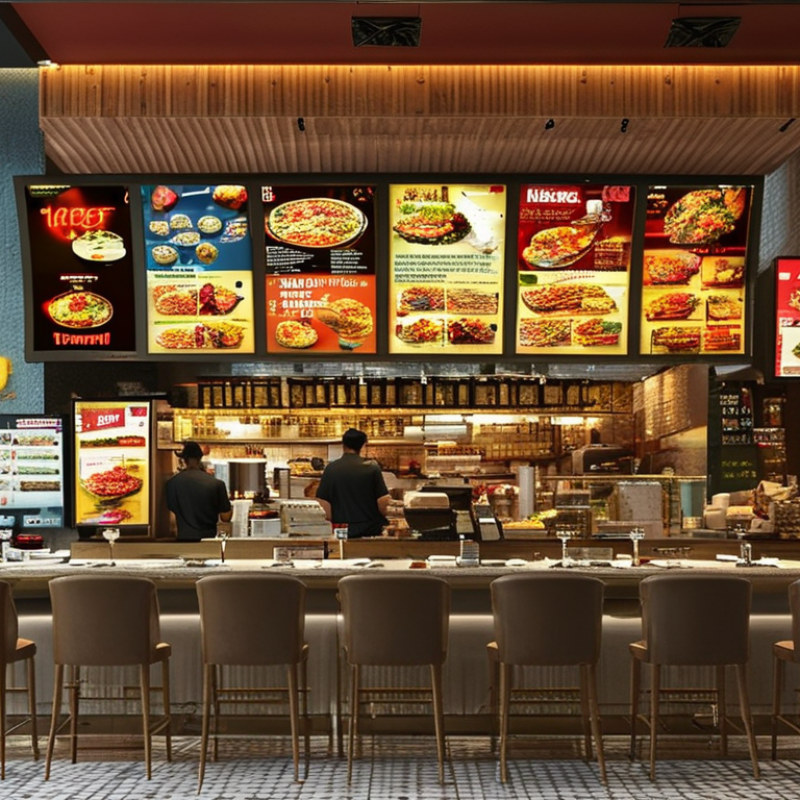
When selecting digital signage solutions for restaurants, it’s essential to consider key features that meet your business needs. One important aspect is display quality. High-definition displays attract customers. They showcase menu items beautifully, making them more tempting. Ensure the signage is bright enough to be seen from a distance.
User-friendly software is crucial. Your staff should easily update menus and promotions. Complicated systems can lead to errors and wasted time. Also, think about the integration capabilities. Linking to your POS system helps streamline operations. This minimizes discrepancies between what's shown and what's available.
Engaging content is another factor. Evaluate if the system allows for dynamic messaging, such as video or animations. These elements can effectively draw customers’ attention. Regular updates keep the content fresh. Be prepared to experiment with different formats to find what resonates.
Consider the installation and maintenance services offered. Bad installation can lead to technical issues. Ask about customer support availability too. Reliable support ensures minimal downtime for your signage, which is vital for customer engagement. Look for solutions that can grow with your restaurant, adapting over time to changing needs.
Digital signage in restaurants has evolved significantly in recent years. Various types of displays cater to different needs and preferences. These displays can range from digital menu boards to interactive kiosks. According to industry reports, 67% of consumers find dynamic digital displays more appealing than traditional static menus. This transition provides not just visual advantages but also a means to drive engagement.
When selecting a digital signage solution, consider the display type. LED screens offer vibrant colors and high visibility. They attract customer attention effectively, especially in busy environments. Touchscreen kiosks allow diners to customize their orders, creating a personalized experience. However, integration with existing systems can sometimes pose challenges. It requires careful planning and resource allocation.
Moreover, outdoor displays must endure varying weather conditions. Research indicates that 60% of customers value menu flexibility and real-time updates. However, many restaurants face issues with content management. Regular updates can be time-consuming. Thus, a reliable content management system is essential for maintaining relevance without overwhelming staff. Balancing between innovation and practicality is crucial for effective digital signage implementation.
Choosing the right software for managing digital signage content is crucial for restaurant success. The right solution can greatly enhance customer engagement and operational efficiency. According to recent industry reports, restaurants utilizing digital signage see an average revenue increase of 10-20%. This illustrates the importance of effective content management systems.
When evaluating software options, consider usability and flexibility. Look for user-friendly interfaces that allow staff to update content quickly. Many solutions offer cloud-based management, which enables real-time updates from any device. Effective software should also support various media formats, including images, videos, and interactive content. A wide array of content support can lead to more engaging displays.
Consider integrating analytics capabilities. Software that tracks viewer engagement can provide valuable insights. For instance, knowing which promotions attract attention can guide future marketing efforts. It's crucial to choose a system that evolves with your business needs. Some software may seem ideal at first but could lack scalability down the line.
Ensure the software you select aligns with your specific goals. What works for one restaurant may not work for another. Test several options before making a commitment. Keep in mind that the perfect solution may not exist; instead, seek one that adapts as your business grows.
When budgeting for restaurant digital signage solutions, assessing overall costs is crucial. Consider both initial investment and ongoing expenses. The initial setup may involve purchasing hardware, software licenses, and installation. Depending on your restaurant's size, these costs can vary significantly. Smaller operations may manage with basic screens, while larger venues might require multiple displays. Do not forget to account for the costs associated with content creation. Professional design services can enhance your visual appeal but may also stretch your budget.
Maintenance is another expense to keep in mind. Regular updates and repairs are essential for optimal performance. Failure to maintain could lead to additional costs down the line. Training staff to use the digital signage effectively is also necessary. You may underestimate this training, but it’s vital for effective use. Evaluate all these aspects carefully.
Reflect on potential return on investment as well. While the primary goal is to enhance customer engagement, track metrics to ensure that your digital signage is effective. A thoughtful approach can lead to improved sales, but avoid assuming success without measurement. Planning for these factors will help you navigate the complexities of digital signage budgeting in your restaurant.
Integrating digital signage with existing restaurant systems can enhance customer experiences significantly. Collaboration between signage and POS systems, for example, improves ordering efficiency. When the digital menu boards update in real-time, staff can focus more on service. This integration can streamline operations, revealing hidden costs. Awareness of these challenges is essential for successful implementation.
Moreover, digital signage must align with a restaurant's branding. Choosing colors, fonts, and images that reflect the restaurant’s identity is crucial. It creates a cohesive atmosphere and strengthens brand recognition. However, ensuring consistency can be tricky. New promotions may clash with existing themes if not carefully managed. Continuous review of content helps mitigate this issue and fosters a unified presentation.
Authenticity matters in messaging as well. Digital signage content should resonate with the target audience. Gimmicks may attract attention, but they often distract from the core message. Regularly revisiting the tone and style of signage ensures alignment with customer expectations. Examining audience feedback can help refine these elements, creating a more compelling narrative for the restaurant.
: Display quality is important. High-definition displays make menu items appealing and help attract customers.
It allows staff to update content quickly. Complicated systems can cause mistakes and take up valuable time.
Integrating with POS systems helps streamline orders. This allows staff to provide better customer service.
Engaging content like videos and animations captures attention. Regular updates keep the material fresh and interesting.
Usability and flexibility are key. Look for systems that support various media formats and allow real-time updates.
Analytics track viewer engagement. Knowing what attracts attention can inform future marketing strategies.
It requires managing existing themes and promotions. Careful planning is needed to ensure consistency in branding.
Messaging should resonate with the target audience. Gimmicks can distract from the main message if not used wisely.
Test multiple options and align software with specific business goals. The best choice may not be immediately obvious.
Bad installation can create technical issues. Evaluating installation and support services is essential for success.
When choosing the best Restaurant Digital Signage solutions, it is crucial to consider several key features that can enhance customer engagement and streamline operations. Understanding the different types of digital signage displays available for restaurants will help in selecting the most suitable format that resonates with the target audience. Additionally, evaluating software options for managing content is essential for efficient updates and promotions, ensuring that the signage remains dynamic and relevant.
Cost analysis is another critical aspect, requiring careful budgeting to balance quality and affordability. Finally, integrating digital signage with existing restaurant systems and branding ensures a cohesive customer experience and reinforces the restaurant's image. By taking these factors into account, restaurant owners can effectively implement digital signage that not only attracts customers but also supports their overall business strategy.

Best Display