How to Choose the Best Digital Signage Solutions in 2026?

Time:2026-05-21 Author:Amelia
0%

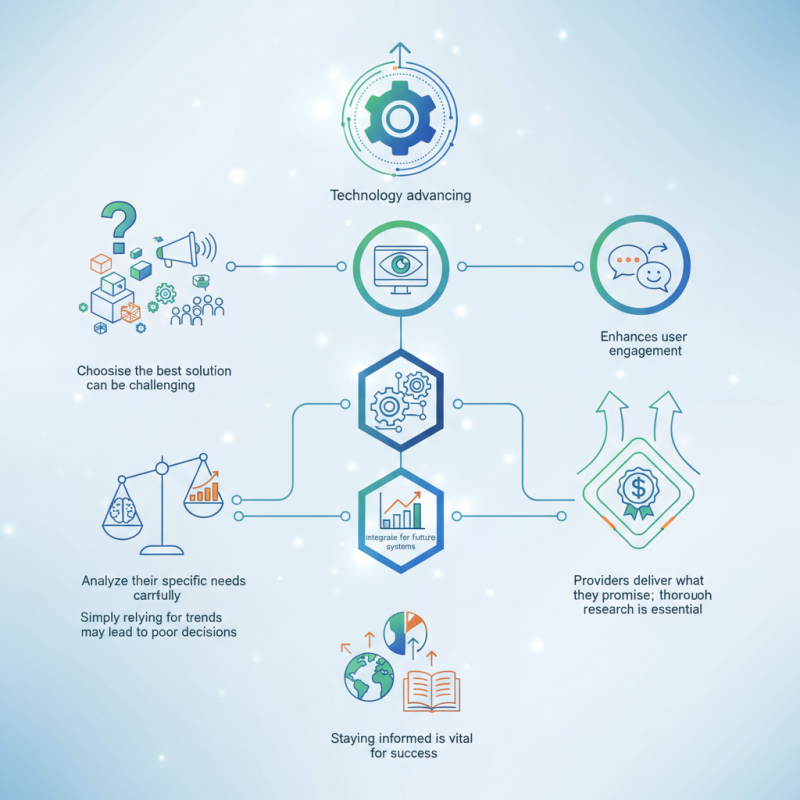
In the rapidly evolving world of digital communication, selecting the right digital signage solutions is more crucial than ever. As we approach 2026, industry expert John Smith emphasizes, "The impact of digital signage will only grow as technology advances." This prediction highlights the need for businesses to adapt.

Digital signage offers numerous benefits. It captures attention, enhances user engagement, and improves communication. However, choosing the best solution can be challenging. Many options flood the market, each promising unique features. Companies must analyze their specific needs carefully. Simply relying on trends may lead to poor decisions.

Reliable digital signage should provide a seamless experience. Look for solutions that integrate easily with existing systems. Also, consider scalability for future growth. Not all providers deliver what they promise; thorough research is essential. Businesses must prioritize solutions that offer both value and quality. As the industry evolves, staying informed is vital for success.
How to Choose the Best Digital Signage Solutions in 2026?

Identifying Key Features of Digital Signage Solutions for 2026

When choosing digital signage solutions for 2026, identifying key features becomes essential. The market is projected to grow significantly. According to industry reports, the global digital signage market is expected to reach over $35 billion by 2026. Understanding which features to prioritize can make all the difference in achieving your goals.

Interactivity stands out as a crucial element. Interactive displays engage customers effectively. This engagement can increase dwell time by as much as 15%, ultimately influencing purchasing decisions. Fast-loading content and intuitive interfaces enhance user experience. High-resolution displays are another key factor. They improve visibility and attract attention. Research indicates consumers are 60% more likely to remember brands with high-quality visuals.

Tip: Always assess the scalability of your chosen solution. As your needs evolve, your digital signage should adapt seamlessly.

Integration capabilities matter as well. The ability to connect with existing software systems enhances efficiency. You might face challenges if your solution doesn't support existing technologies. A lack of compatibility can hinder performance.

Tip: Test the solution with a pilot program. This allows for real-world feedback and adjustments. Understanding limitations early on helps refine your choice.

Investing in the right digital signage solution involves balancing innovation and reliability. While trends will shift, core functionalities must remain robust. The goal is to create a lasting impact. Prioritize features that foster engagement and enhance visibility for your audience.

Evaluating the Impact of Software Capabilities on Digital Signage Success

When choosing digital signage solutions in 2026, software capabilities play a critical role in success. A robust system must support various media formats and allow easy integration with existing platforms. Flexibility is vital. Organizations need to adapt their messaging quickly. Whether it's for promotions or critical announcements, the software should enable real-time updates. Consider how this functionality can impact audience engagement.

User-friendly interfaces make a difference. Teams that are not tech-savvy should find it simple to navigate. Training staff on complex systems often leads to frustration. Look for solutions that prioritize usability. However, simplicity shouldn't sacrifice advanced features. Balancing ease of use with functionality is essential.

Measuring the effectiveness of software is often overlooked. Organizations must analyze their data regularly. Insights from user interactions can shape future content. However, this requires a commitment to ongoing assessment. Ensuring that the selected software meets evolving needs often reveals areas for improvement. Sometimes, what works now may not be ideal later. Reflecting on these aspects can lead to more informed decisions down the line.

Understanding Hardware Requirements and Trends for Effective Signage in 2026

When considering digital signage solutions for 2026, hardware choices play a crucial role. High-resolution displays remain essential. These screens ensure clarity, catching attention and conveying messages effectively. Touchscreen capabilities are also trending. They engage users and provide an interactive experience. Robust media players enhance performance, allowing for seamless content updates and playback.

Tips for selecting hardware: Look for durability. Displays should withstand various environmental conditions, especially if placed outdoors. Also, consider energy efficiency. This can lower operating costs significantly. Investing in scalable solutions will save future upgrade costs. Flexibility to adapt is key for changing business needs.

Emerging trends include AI integration in signage systems. This allows for personalized content delivery based on viewer analytics. However, the complexity of these systems can be overwhelming. Assessing your team’s technical skills is vital before implementation. Regular training can help bridge gaps in expertise. This keeps your signage effective and innovative in a fast-evolving market.

Analyzing Cost-Effectiveness and ROI of Digital Signage Solutions

Digital signage solutions have gained popularity for their ability to engage customers and deliver dynamic content. However, choosing the best solution in 2026 requires a careful analysis of cost-effectiveness and return on investment (ROI). According to industry reports, 62% of businesses currently view digital signage as a vital part of their marketing strategy. Yet, many fail to measure its effectiveness fully.

When evaluating digital signage, consider installation and maintenance costs. Research indicates that upfront costs can vary widely, often ranging from $1,000 to $5,000 per screen. Beyond initial expenses, ongoing maintenance can account for about 15% of the total cost annually. An effective ROI analysis must include metrics such as increased customer engagement and sales uplift. For instance, a study showed that businesses using digital signage saw sales increases of 30% compared to traditional marketing methods.

Despite these benefits, there are challenges. Many companies overlook the need for quality content, essential for maximizing viewer engagement. A lack of compelling content may lead to a lackluster audience reaction, limiting the technology’s potential. Therefore, businesses must invest in content strategy alongside hardware to achieve the desired outcomes.

Exploring Emerging Technologies in Digital Signage: AI, AR, and Beyond

In 2026, digital signage will increasingly leverage emerging technologies such as AI and augmented reality (AR). AI algorithms can analyze consumer behavior in real-time. This capability enables signage to display personalized content. According to a recent industry report, 75% of consumers prefer tailored messages. This customization enhances engagement and improves the overall experience.

AR offers exciting possibilities for digital signage solutions. With AR, brands can create interactive displays that captivate audiences. Imagine a user pointing their phone at a sign and seeing additional content pop up. A study by a leading research firm reveals that 60% of consumers are intrigued by AR experiences. However, implementing AR effectively is still a challenge. Many businesses struggle with user experience and technical integration.

Data privacy remains a concern. As more personal data is utilized, companies must tread carefully. Balancing personalization with privacy is key. A survey indicates that 70% of consumers are cautious about data use in advertising. Brands need to navigate these complexities. Engaging customers while respecting their boundaries is crucial for long-term success.

FAQS

: What role do software capabilities play in digital signage success?

: Software capabilities are critical. They support various media formats and allow easy integration. Flexibility helps organizations adapt messaging quickly.

Why is a user-friendly interface important for digital signage?

A user-friendly interface aids non-tech-savvy teams. They find it simpler to navigate systems. This reduces frustration and increases productivity.

How can organizations measure the effectiveness of their software?

Organizations must analyze data regularly. Insights from user interactions can shape future content. Ongoing assessment reveals areas for improvement.

What hardware features are essential for digital signage in 2026?

High-resolution displays are essential for clarity. Touchscreen capabilities engage users. Robust media players enhance performance and ensure smooth playback.

What should businesses consider regarding hardware durability?

Durability matters, especially for outdoor displays. They must withstand various environmental conditions. Investing in energy efficiency lowers operating costs too.

How does AI integration impact digital signage?

AI allows personalized content delivery based on viewer analytics. It can be complex, though. Regular training helps staff manage these systems effectively.

Why should ROI analysis include more than just costs?

ROI should consider metrics like customer engagement. Many businesses report significant sales increases with digital signage. Content quality also affects audience reaction.

What challenges do companies face with digital signage content?

Many overlook the need for quality content. Poor content leads to lackluster audience engagement. Investing in content strategy is crucial for success.

Conclusion

In 2026, choosing the best digital signage solutions involves a comprehensive understanding of key features that drive effectiveness. Essential attributes like user-friendliness, scalability, and integration capabilities will play a pivotal role in enhancing user engagement. The impact of advanced software capabilities, such as data analytics and content management, will significantly influence the success of digital signage, allowing businesses to tailor their messages more effectively.

Moreover, understanding the hardware requirements and the latest trends is crucial for optimal performance in various environments. Evaluating the cost-effectiveness and return on investment (ROI) will help businesses make informed decisions about their digital signage expenditures. Finally, exploring emerging technologies, including artificial intelligence (AI) and augmented reality (AR), promises to revolutionize the digital signage landscape, making it more interactive and immersive for audiences. By considering these aspects, organizations can strategically implement digital signage solutions that meet their evolving needs.


Amelia

Amelia

Amelia is a seasoned marketing professional with a wealth of expertise in our company’s core offerings. With an unwavering passion for driving growth and innovation, she plays a pivotal role in shaping our marketing strategies and enhancing brand visibility. A key aspect of her responsibilities......