Indoor Advertising Display is transforming the way brands communicate with consumers. With rapid advancements in technology, businesses are exploring innovative strategies. According to John Smith, an industry expert and CEO of AdTech Innovations, "The future of advertising lies within captivating displays that engage audiences effectively."
As companies look to capture attention indoors, they must consider various display options. High-definition screens, interactive kiosks, and digital signage are becoming more prevalent. Each option presents unique advantages and challenges. For instance, while high-definition screens offer sharp visuals, their placement and maintenance require careful planning.
However, selecting the best Indoor Advertising Display is not always straightforward. Many companies face obstacles when integrating these systems. Limited budgets or technical know-how can hinder optimal choices. Therefore, reflecting on past experiences can help guide decision-making. The right display can boost visibility and engagement, but it hinges on understanding the audience's preferences.
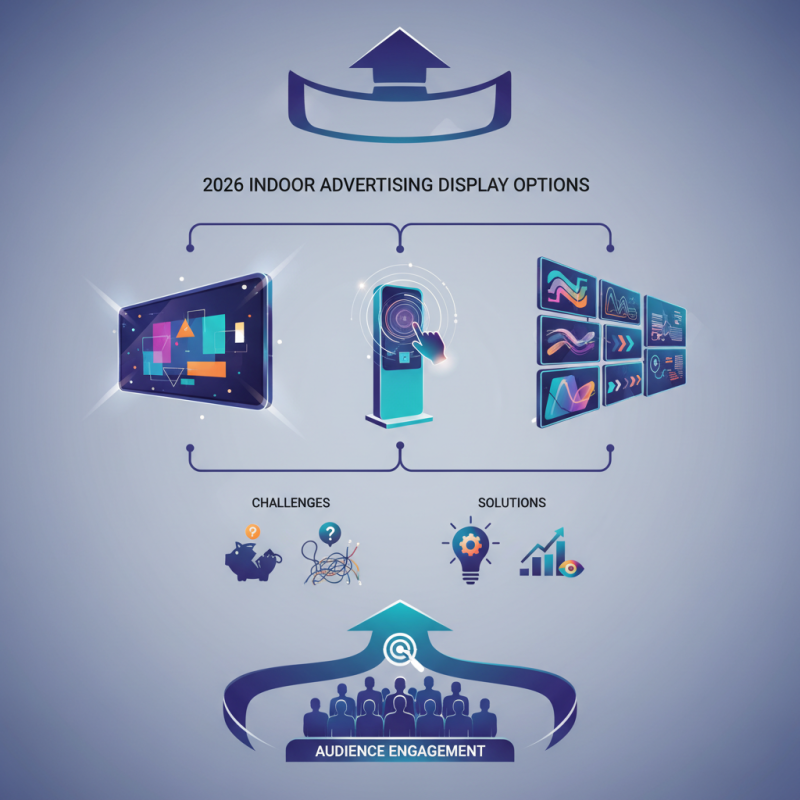
As we move towards 2026, understanding indoor advertising display types is crucial for brands aiming to stand out. Digital signage remains a dominant choice, with a rapid growth trend. According to a recent report by MarketsandMarkets, the digital signage market is expected to reach $23.77 billion by 2026, growing at a compound annual growth rate (CAGR) of 8.8%. This highlights the appetite for dynamic displays that capture attention.
LED displays are particularly noteworthy. Their brightness and color quality make them appealing for various environments. A study by ResearchAndMarkets states that the global LED display market is projected to reach $28.8 billion by 2026. However, these systems often require significant upfront investments. Not all businesses can justify such costs, creating a barrier for smaller brands.
Another emerging trend is the use of interactive displays. These allow for user engagement, increasing the likelihood of conversion. However, challenges remain. Maintaining software and hardware can be costly. Additionally, not all consumers respond positively to interactivity. Therefore, brands should carefully consider their target audience when implementing these technologies.
When selecting indoor advertising displays, key features are paramount. A report from MarketsandMarkets indicates that the digital signage market will reach $31.71 billion by 2024, illustrating its rising importance. Buyers should focus on display resolution, as clearer images attract more attention. Look for options with at least 1080p for effective messaging.
Brightness and visibility are crucial characteristics to evaluate. For locations with significant ambient light, displays should offer at least 2500 nits. High brightness ensures that the content is legible in any lighting condition. Additionally, consider connectivity options. Displays with both wired and wireless capabilities enhance flexibility, enabling seamless updates.
Don’t overlook durability. Indoor displays should withstand frequent usage and occasional accidental contact. Reports suggest that 30% of display failures are due to wear and tear. Investing in resilient materials can mitigate this risk. Choose products backed by warranty and customer support. This reflects a commitment to reliability, allowing for smoother operational continuity.
When it comes to indoor advertising displays, several brands stand out. However, many buyers face the challenge of choosing the right option. Each brand offers unique features and capabilities. While some excel in screen clarity, others offer better color accuracy and brightness. Assessing these factors can help buyers make informed decisions.
Consider the size and resolution. Larger displays attract attention, yet they don’t always guarantee effective messaging. The ideal resolution enhances clarity, ensuring every detail is visible. Some options provide advanced technology, like touchscreen capabilities, which encourage interaction. This engagement can significantly boost marketing impact.
Durability is another critical factor. Displays are investments, and they should last. Buyers often overlook maintenance requirements and technical support. A reliable warranty can mitigate potential issues. Even the best products may occasionally falter, leading to a need for effective support and repair solutions. Understanding these nuances helps buyers choose wisely.
Indoor advertising is evolving rapidly. Innovative technologies are transforming how brands connect with consumers. According to recent reports, the global digital signage market is projected to reach $32.84 billion by 2026, growing at a CAGR of 7.6%. This growth highlights the demand for captivating indoor displays.
One noteworthy trend is the use of high-resolution LED screens and interactive displays. These technologies create engaging experiences. They allow customers to interact with advertisements in real-time. A report by MarketsandMarkets shows that interactive displays are expected to witness a substantial rise in adoption, increasing by over 15% in the coming years. However, brands must be cautious. Overly complex interfaces can frustrate users, leading to decreased engagement.
Tips: Focus on simplicity. Ensure that your displays provide clear, concise messages. Using bright, contrasting colors can enhance visibility. Remember that not all technologies suit every environment. Evaluate your audience's preferences before deployment. Understanding your customers is key to successful indoor advertising.
When exploring the preferences in indoor advertising displays, recent market research reveals interesting trends among global buyers. The demand for LED screens continues to rise, driven by their high visibility and energy efficiency. A report from MarketsandMarkets states that the global LED display market is projected to reach $27.7 billion by 2025, showcasing a growth rate of around 13% annually. Buyers appreciate that LED displays can capture attention in busy environments, leading to increased engagement.
Moreover, integration with digital technology is crucial. Many buyers now prefer displays capable of interactive features. According to Statista, 67% of consumers feel more engaged with interactive display ads compared to traditional static ones. This engagement can lead to higher conversion rates; however, not all businesses are equipped to handle such technology. A gap exists in understanding how to effectively utilize these advanced features.
Despite the overwhelming shift towards digital displays, some buyers remain cautious. There's apprehension about costs, maintenance, and the steep learning curve associated with updating content. This reluctance indicates a need for better education and support in the industry. Understanding these buyer preferences is essential for stakeholders aiming to innovate within this competitive landscape.
| Display Type | Resolution (Pixels) | Size (Inches) | Brightness (nits) | Average Price (USD) |
|---|---|---|---|---|
| LED Display | 1920 x 1080 | 55 | 800 | 1,200 |
| LCD Screen | 3840 x 2160 | 65 | 500 | 1,800 |
| OLED Display | 2560 x 1440 | 55 | 600 | 2,500 |
| Projection Screen | 1920 x 1080 | 100 | 300 | 800 |
| Smart Display | 3840 x 2160 | 75 | 450 | 2,000 |
: Look for displays with at least 1080p resolution for effective messaging and clear images.
Displays should have a brightness of at least 2500 nits for legibility in bright environments.
Durability helps withstand frequent use and accidental contact, preventing display failures due to wear and tear.
Choose products that offer a warranty and customer support, ensuring reliability and operational continuity.
Interactive displays engage customers in real-time, creating dynamic advertising experiences that attract attention.
Avoid overly complex interfaces; simplicity keeps users engaged and prevents frustration from difficult navigation.
Bright, contrasting colors improve visibility and attract more attention to your messages or brand.
Understanding your audience’s preferences helps tailor advertisements for better engagement and effectiveness.
Trends indicate a growing demand for innovative displays, but brands should select suitable technologies for their environment.
Frequent usage poses risks of malfunction; investing in resilient materials can help reduce potential damage.
The article titled "2026 Best Indoor Advertising Display Options for Global Buyers" provides a comprehensive overview of the various types of indoor advertising displays available for businesses in 2026. It delves into the key features that buyers should consider, such as screen resolution, size, and interactivity, which play a crucial role in enhancing audience engagement.
Furthermore, the article presents a comparative analysis of leading indoor display brands, highlighting their innovative technologies that are revolutionizing the advertising landscape. It also discusses market trends and evolving buyer preferences, emphasizing the importance of adaptability and creativity in indoor advertising displays. Overall, this analysis serves as a valuable resource for marketers looking to make informed decisions in a dynamic advertising environment.

Best Display