When it comes to enhancing customer engagement and displaying information effectively, "Floor Standing Digital Signage" has become an essential tool for businesses. The sleek design and versatility of these solutions allow companies to capture attention in crowded environments. With advancements in technology, these digital displays offer more than just static images; they create interactive experiences.
Selecting the right solution can be challenging, though. Factors such as screen size, resolution, and software capabilities all play a role. Businesses must consider their specific needs and the environments where the signage will be placed. Poor choices can lead to wasted resources and missed opportunities. Engaging trends in this area also show that not all setups yield the same results.
With numerous options available, understanding the best practices for utilizing Floor Standing Digital Signage is crucial. By focusing on quality and strategic placement, companies can create effective communication channels. The right signage can turn a simple display into a powerful marketing tool, leaving a lasting impression on customers.
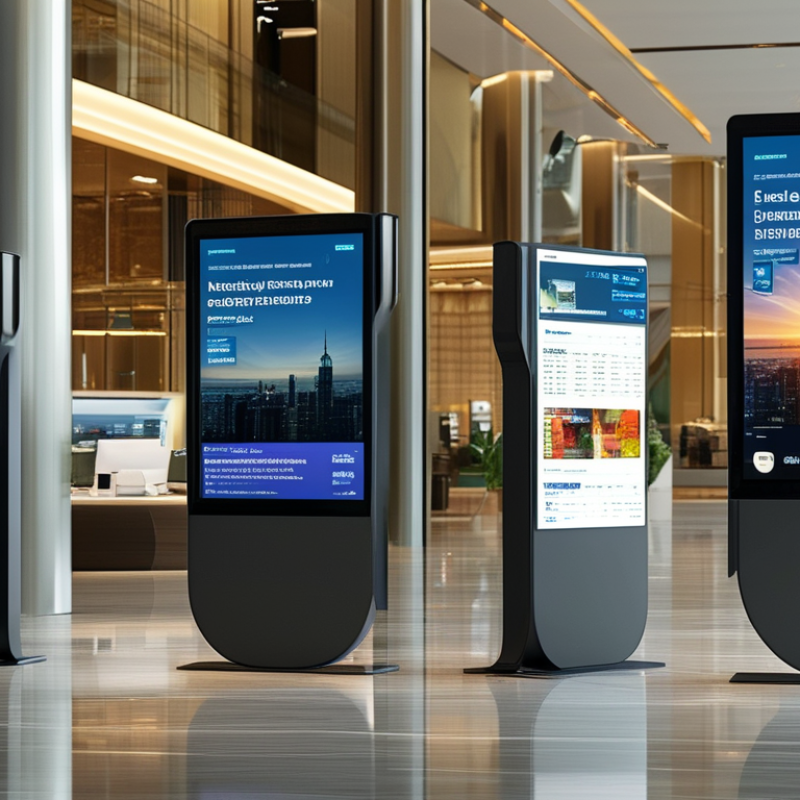
When selecting floor standing digital signage solutions, several key features should be prioritized. High display resolution is vital. A clearer image captures attention more effectively. Ideal resolutions can enhance viewer engagement. Consider brightness levels as well. A bright screen ensures visibility, even in well-lit environments. This is crucial for outdoor use or busy places.
User-friendly interfaces are another important aspect. Easy navigation helps staff manage content effortlessly. This capability allows for quick updates and changes. Touchscreen functionality can be a great addition. It provides interaction opportunities, enhancing user experience. Connectivity options are essential too. Wi-Fi and Bluetooth functionalities simplify remote management.
Durability shouldn't be overlooked. Choose materials that can withstand wear and tear. Non-glare screens can reduce reflections, providing better visibility. Think about the unit's weight and stability. A well-balanced design ensures safety in public areas. While these features are essential, it’s important to consider your specific business needs. Regularly assessing how the signage performs in real situations can lead to improvements over time.
Floor standing digital signage has become essential for many businesses. Various solutions cater to diverse needs. These options include touchscreen kiosks, LED displays, and interactive displays. Each variant comes with unique advantages.
Touchscreen kiosks allow customers to engage with content directly. They are ideal for providing information or helping with product selection. A report from the Digital Signage Federation highlights that the global touchscreen market is expected to surpass $39 billion by 2025. This growth emphasizes the increasing preference for interactive solutions in retail and customer service environments.
LED displays are another popular choice. They are known for their brightness and visibility, even in outdoor settings. Research shows that businesses using LED signage see a 47% increase in customer engagement. However, the investment in high-quality LED systems can be significant. Businesses must weigh the benefits against potential costs and maintenance needs.
Interactive displays also offer unique opportunities. They engage customers in a dynamic way, fostering a connection. But their complexity can lead to technical issues, requiring ongoing support. Companies must consider the trade-offs in functionality versus reliability. Each option provides different features that need careful evaluation based on the business’s specific goals.
Floor standing digital signage
offers numerous advantages for businesses looking to enhance their customer engagement. These digital displays are
visually appealing and can attract attention. Placing them strategically in high-traffic areas can significantly
increase visibility. They allow businesses to showcase promotions, display important information, or highlight
new products effectively.
Additionally, the flexibility of updating content is a major benefit.
Businesses can change messages quickly and easily, ensuring information is always relevant. This capability is especially
useful during events or seasonal sales. Unlike traditional signage,
updating a digital display can be done remotely, saving time and resources. However, it’s vital to consider the
technology’s maintenance, as screens may require occasional updates to software or hardware.
On the flip side, the initial investment in
floor standing digital signage can be high. Companies must
evaluate their budget and weigh the potential return on investment. Monitoring the performance of these displays
is equally important. Implementing analytics can help businesses understand which content engages customers
most effectively. This approach can lead to more informed decisions in the future.
When selecting digital signage hardware for your business, several critical factors come into play. Assessing the touchscreen capability is essential. Touchscreens enhance interactivity, engaging customers effectively. Durability also matters. Signs should withstand daily use and varying climates. Consider the location where the signage will be placed. Indoor and outdoor options differ significantly in features.
Screen resolution is another vital aspect. Higher resolutions deliver clearer images. This clarity attracts passersby and retains customer attention. Ease of installation shouldn't be overlooked either. Complicated setups can lead to delays and added costs. Accessibility for maintenance is often neglected but crucial. Hardware problems can interrupt your messaging and impact customer experience.
Power consumption is worth examining as well. Efficient hardware reduces operational costs long-term. Furthermore, consider the warranty and support provided. The more reliable the manufacturer, the better your investment will be. Navigating these factors can be challenging. Businesses must weigh their unique needs against available options to find the best fit.
Effective content management is crucial for successful digital signage systems. Businesses often struggle with content relevance and audience engagement. According to a recent industry report, 70% of consumers express frustration with irrelevant digital signage content. Addressing this challenge begins with understanding your target audience and their preferences. Regularly update content based on feedback and analytics to ensure messages resonate.
Incorporating engaging visuals can significantly enhance viewer retention. A study showed that using vivid imagery increases information retention by up to 65%. However, businesses must also be cautious about overwhelming viewers with too much information. Overly complex displays can lead to confusion and disengagement. Striking a balance is key.
Furthermore, content management systems should support dynamic content updates. This flexibility allows for real-time modifications based on current events or promotional strategies. Yet, many businesses hesitate to adopt such technology. A survey indicated that 40% of companies avoid digital signage due to perceived complexity. Educating staff and investing in training can bridge this gap. Ultimately, companies must reflect on their strategies and implement best practices to fully leverage digital signage potential.
| Feature | Description | Considerations |
|---|---|---|
| Display Size | Variety of sizes from 32" to 86" for different environments | Ensure appropriate size for viewing distance |
| Resolution | Options from Full HD to 4K for clear visuals | Higher resolution enhances image quality but may increase costs |
| Connectivity | HDMI, USB, Wi-Fi, etc. for easy content updates | Check compatibility with current systems |
| Software | Content management systems for scheduling and control | Look for user-friendly interfaces |
| Durability | Designed to withstand public use; often weatherproof | Check for warranty and support |
| Cost | Varies based on features; budget for installation and maintenance | Consider total cost of ownership |
| Energy Efficiency | LED displays generally consume less power | Check energy ratings and potential savings |
: Focus on high display resolution, brightness, user-friendly interfaces, and durability. These enhance visibility and engagement.
Higher resolutions provide clearer images, attracting more attention from passersby and improving viewer retention.
Touchscreens enhance interactivity, allowing customers to engage and interact effectively with the displayed content.
Outdoor signage needs durability, high brightness, and non-glare screens to withstand weather conditions and enhance visibility.
Regularly update content based on audience feedback. Use engaging visuals but avoid overwhelming viewers with too much information.
Complicated setups can lead to delays and increased costs, making easy installation a crucial factor in your choice.
Accessible hardware allows for quick repairs, minimizing message disruptions and enhancing overall customer experience.
Efficient hardware reduces long-term operational costs, making it a vital consideration when selecting digital signage solutions.
Many avoid digital signage due to perceived complexity. Investing in staff training can alleviate these concerns.
Understand your target audience and update content based on analytics to keep messages resonant and engaging.
When considering the implementation of Floor Standing Digital Signage for your business, it's essential to explore key features that enhance usability and engagement. Look for solutions that offer high-resolution displays, interactive touch capabilities, and customizable content management systems. The various types available, from sleek standalone units to portable options, cater to different business needs and environments.
The benefits of incorporating Floor Standing Digital Signage are significant, including increased visibility, improved customer engagement, and the ability to display dynamic content that can be updated in real-time. It's crucial to consider factors such as hardware durability, installation ease, and software compatibility when choosing the right solution for your needs. Additionally, effective content management is vital to ensure the displayed messages resonate with your audience, maximizing the impact of your digital signage efforts.

Best Display