In recent years, digital signage has evolved significantly. A prominent example is the rise of "Digital Signage With LED Writing Boards." This technology offers high visibility and interactivity, making it a preferred choice for businesses. According to a recent market report, the global digital signage market is projected to reach $35 billion by 2026, growing at a compound annual growth rate of 7.5%.
LED writing boards are at the forefront of this growth. They provide a dynamic and engaging platform for businesses to communicate with customers. The integration of LED technology ensures bright displays that capture attention in various environments. Moreover, these boards allow for real-time content updates, increasing operational flexibility. However, challenges remain, such as the need for regular content refreshment to maintain viewer interest.
The effectiveness of Digital Signage With LED Writing Boards depends largely on content strategy. Engaging visuals and clear messaging are crucial. Businesses must continually assess their approaches to ensure they meet evolving consumer expectations. In this rapidly changing landscape, staying informed and adaptable is key to leveraging the full potential of digital signage.
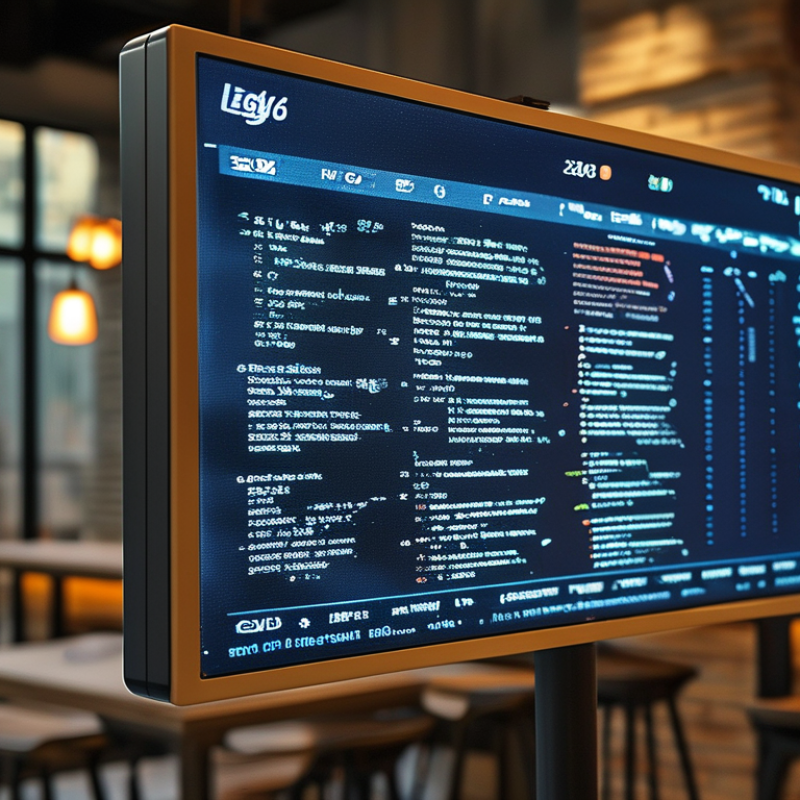
In the evolving landscape of digital signage, LED writing boards are emerging as transformative tools. These boards integrate advanced technologies, enhancing interactivity and engagement. According to a recent industry report, the global digital signage market is projected to grow by over 8% annually, driven by innovations in LED display technology. This trend is evident in various sectors, from retail to education.
LED writing boards leverage technologies such as touch interactivity and real-time online content updates. The hardware allows businesses to update messages instantly, providing dynamic communication solutions. Research indicates that organizations using interactive displays can increase customer engagement by 50%. These advancements create a richer, more engaging user experience.
**Tip:** Consider the placement of your LED writing board. Visibility and accessibility can significantly impact effectiveness.
Creating an inviting atmosphere is essential. Businesses can experiment with colors and fonts on these boards to capture attention. However, it’s critical to ensure the message is clear and concise. Review this frequently, as complex messages can lead to confusion.
**Tip:** Regularly analyze customer feedback and adjust your displays accordingly. This iterative process helps maintain relevance over time.
While LED writing boards offer many advantages, perfect execution is challenging. Businesses must remain adaptable in this fast-paced digital age. Exploration and continuous learning are key to maximizing the potential of this technology.
The future of LED writing boards is shaped by innovative design trends that fuse creativity and functionality. Research from MarketsandMarkets reveals the global digital signage market is projected to reach $31.71 billion by 2026, growing at a CAGR of 7.2%. This growth underscores the increasing importance of LED writing boards in various sectors, including education and retail.
Current design innovations emphasize user interactivity. Touch-responsive surfaces are becoming standard, enhancing engagement. Studies suggest that interactive displays can increase customer retention by up to 60%. Organizations are also focusing on eco-friendly materials, aiming for sustainability without sacrificing aesthetics. Users expect boards that not only convey information but also reflect their environmental values.
Despite these advancements, challenges remain. Some designs lack adaptability across different environments. Durability concerns continue to surface, particularly in outdoor settings. Companies must prioritize reliability and performance to stay relevant. Balancing innovation and practicality is crucial for future developments. As the digital landscape evolves, LED writing boards will need to combine cutting-edge technology with user-centered design to meet emerging demands.
Interactivity in digital signage is transforming user engagement strategies. According to recent industry reports, interactive displays can enhance user experience by up to 70%. This shift is not merely a trend; it's backed by data showing increased retention rates when users physically engage with content. For example, LED writing boards encourage customers to participate actively, fostering a sense of ownership and connection to the message.
When businesses implement interactive elements, they see a surge in attention. A study from the Digital Signage Federation highlighted that interactivity can boost dwell time by an average of 25%. It's crucial to design these interactions intuitively. Users should feel comfortable and eager to engage.
Tips: Keep the design simple. Too many options can confuse users. Include clear calls to action that guide user interactions. Regularly update content based on feedback to avoid monotony. Engaging displays create memorable experiences, but over-complicated setups can frustrate users. Reflect on the balance between engagement and ease of use.
The manufacturing of LED writing boards is experiencing a significant shift towards sustainability. Companies are now focusing on eco-friendly materials and processes. This shift helps reduce waste and energy consumption during production. Using recycled components for LED boards is becoming more common. This not only reduces environmental impact but also lowers costs in the long run.
Moreover, energy-efficient technologies are being integrated into LED writing boards. This enhances their performance while consuming less power. Solar-powered options are emerging, providing an even greener alternative. However, the industry still faces challenges. Many manufacturers are still hesitant to adopt these sustainable practices fully. Cost may be a concern, but the long-term benefits outweigh initial investments.
Consumers are becoming more eco-conscious, pushing the demand for sustainable products. They seek assurance that their purchases have a positive impact. Brands that embrace sustainability could stand out in a crowded market. Nevertheless, commitment to sustainability requires ongoing efforts. Companies must continuously innovate and adapt their practices to truly make a difference.
| Trend | Description | Sustainability Impact | Adoption Rate (%) |
|---|---|---|---|
| Eco-Friendly Materials | Incorporating recyclable and biodegradable materials in LED writing boards. | Significantly reduces plastic waste and promotes circular economy. | 60 |
| Energy-Efficient Designs | Utilizing low-power consumption LEDs and energy-saving technologies. | Reduces carbon footprint and operating costs for businesses. | 75 |
| Modular and Repairable Designs | Creating easy-to-repair models to extend product lifecycle. | Decreases electronic waste and promotes longevity of products. | 50 |
| Smart Technology Integration | Incorporating IoT and AI for efficient energy management. | Enhances sustainability through optimized resource usage. | 65 |
| Localized Content and Recycling Programs | Displaying local recycling initiatives and community support. | Promotes community engagement and environmental awareness. | 40 |
The LED writing board segment in digital signage is poised for significant growth. Recent studies indicate a compound annual growth rate (CAGR) forecasted at over 10% through 2026. This growth highlights the increasing adoption of digital displays in various sectors, including education, retail, and hospitality.
One notable trend is the customization of LED writing boards. Businesses seek personalized solutions to enhance customer engagement. This allows brands to convey messages uniquely. However, challenges arise with user interface design. Many boards still struggle with complicated functions, creating barriers for non-technical users. Simplifying these interfaces could enhance overall effectiveness.
Sustainability is another crucial aspect influencing market projections. Eco-friendly practices are becoming essential. Many organizations aim to reduce energy consumption and minimize waste. The demand for recyclable materials is rising, yet concerns linger over production costs. Balancing sustainability with affordability remains an ongoing debate in the industry.
: LED writing boards are innovative tools used for digital signage. They enhance interactivity and communication in various sectors.
Interactivity can boost user engagement by up to 70%. Engaging users actively fosters a stronger connection to content.
The visibility and accessibility of LED boards significantly impact their effectiveness. Proper placement can enhance user attention.
Use simple fonts and colors to capture attention. Messages should be concise to avoid confusion among viewers.
Regularly analyze customer feedback to adjust displays. This practice helps maintain relevance and improves engagement over time.
Complex designs can confuse users and hinder interactions. A balance between engagement and simplicity is essential for effectiveness.
Content should be updated regularly based on feedback. Fresh content keeps the display interesting and engaging.
Users should find interactions intuitive and comfortable. A welcoming interface encourages more people to engage with the content.
Advanced technologies allow for instant updates and dynamic messaging. This enhances communication and user experience significantly.
Perfect execution can be challenging. Businesses must adapt continuously to maximize the technology's potential and effectiveness.
The article "2026 Top Trends in Digital Signage With LED Writing Boards" explores several key areas that are shaping the future of digital signage. Emerging technologies in LED writing boards are enhancing visual communication, offering advanced functionalities that improve user experience. Design innovations play a critical role, with contemporary aesthetics and user-friendly interfaces becoming increasingly important.
Interactivity is also highlighted as a significant factor in user engagement, allowing audiences to interact with content dynamically. Additionally, sustainability in the manufacturing process of LED writing boards is becoming a focal point, reflecting a growing demand for eco-friendly solutions. Future market projections indicate that digital signage with LED writing boards will continue to expand, driven by these trends that prioritize innovation and engagement while promoting sustainability.

Best Display